
TEFL jobs and salary
A TEFL certificate leads to jobs as an English teacher in language schools and international schools, online English tutor, business English trainer, IELTS trainer and young-learner teacher, and later to senior teacher and trainer roles. Pay depends mainly on the country: the Gulf and East Asia usually pay most, often with housing, while Southeast Asia, Latin America and online work pay less but are easier to enter.
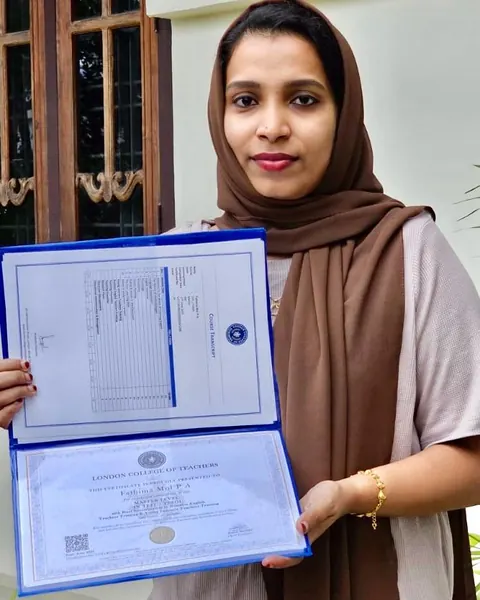
Typical TEFL jobs
- English teacher in a private language school or academy
- Online English tutor (company or marketplace)
- Business English trainer for companies
- IELTS, TOEFL or spoken-English trainer
- Young-learner teacher in kindergartens and academies
- English language support in international schools
- Senior teacher, teacher trainer, academic coordinator (with experience and higher qualifications)
Typical monthly pay by region
Published ranges (Teach Away, last updated 2022, in US dollars) give a rough idea; check current adverts before deciding:
- Gulf states: about 1,500–5,000, often with housing and flights
- South Korea and Japan: about 1,800–3,000
- China: about 1,500–2,000 plus benefits in many contracts
- Vietnam: about 1,000–2,000; Thailand about 950–1,300
- Latin America: about 500–1,800
- India: about 680–1,400 for qualified English teachers
How to earn more
Specialise (young learners, business English, exam preparation), gain experience, add a higher qualification such as the Diploma or PG Diploma, and target markets that include housing.
What affects TEFL pay
- Country and city: capital cities and Gulf states usually pay more.
- Employer type: international schools and universities pay more than small language centres.
- Qualifications: a degree, a longer TEFL and a teaching licence raise your options.
- Experience: one to two years opens better-paid roles.
- Specialism: business English and exam preparation often pay higher rates.
- Benefits: housing, flights and insurance can be worth as much as salary.
Typical job types in detail
Language school teachers teach children, teenagers and adults in small groups, usually 20 to 30 contact hours a week with evening and weekend work. Online teachers work flexible hours from home. Business English trainers visit companies or teach professionals online and often earn higher hourly rates. International school English support teachers work school hours and usually need a teaching qualification as well as TEFL. Teacher trainers and academic managers need experience and advanced qualifications.
Online teaching pay
Online rates range widely. Company platforms often pay a fixed hourly rate, from a few dollars to around US$20, while experienced marketplace tutors who specialise and set their own prices can earn more. Full-time online income depends on how many regular students you keep.
Saving potential
High salaries do not always mean high savings. Gulf and South Korean contracts often include housing, which lets teachers save a large share of their pay. In Southeast Asia salaries are lower but so is the cost of living. In Europe, rent can absorb much of a teacher's income.
Career ladder
- Year 1: classroom or online teacher
- Years 2–3: experienced or senior teacher; specialist (young learners, business, exams)
- Years 3–5: teacher trainer, academic coordinator, materials writer
- Years 5+: director of studies, school manager, owner of your own centre
Which course helps your earnings
Start with the 120-hour TEFL Certificate. Add Business English for corporate work or Young Learners for schools and academies. For senior roles, the PG Diploma and Master in TEFL add research and management training. London College of Teachers does not guarantee jobs or salaries; these figures are general guidance.
How to find TEFL jobs
- Specialist TEFL job boards and recruiters
- Employers' own careers pages
- Online teaching platforms' application pages
- Local networks and teacher groups in your target city
- Recommendations from colleagues and trainers
What a job advert usually asks for
A typical TEFL advert lists: a bachelor's degree (for visa reasons), a 120-hour TEFL certificate, strong English, sometimes experience, and the ability to start on a certain date. Better-paid roles add a teaching licence, a longer TEFL or a specialism.
Negotiating your package
Ask about salary, hours, overtime pay, housing or allowance, flights, health insurance, visa costs, holidays, contract length and end-of-contract bonuses. Compare the full package, not the salary alone.
Frequently asked questions
Does a TEFL guarantee a job?
No qualification guarantees a job, but a 120-hour TEFL meets the standard requirement for most English-teaching vacancies.
Is online teaching well paid?
It ranges widely; experienced tutors with a niche and regular students earn the most.
Which TEFL job pays the most?
Experienced teachers in Gulf states, international schools and specialist business English roles typically earn the most.
How much do online English teachers earn?
From a few dollars an hour on some company platforms to over US$20 an hour for experienced specialist tutors on marketplaces.
Do TEFL teachers get paid holidays?
In full-time school and language-centre contracts usually yes; online freelance work usually not.
Is TEFL a good career?
Yes for many people: it offers travel, flexibility and a career ladder into senior teaching, training and management.