What is TEFL?
TEFL stands for Teaching English as a Foreign Language. It is a professional training course and certificate for teaching English to people whose first language is not English, in classrooms abroad, in your own country or online. A standard TEFL course is 120 hours and covers teaching methods, grammar for teachers, pronunciation, lesson planning and classroom management.
What a TEFL course covers
A good TEFL course turns your own English into something you can teach. London College of Teachers' core TEFL modules are:
- Welcome to the world of teaching English
- The history of teaching methodologies
- How languages are acquired
- English grammar for teachers
- Phonology and pronunciation
- Teaching vocabulary
- Lesson planning
- Drama and games in the classroom
- Teaching reading, writing, speaking and listening
Who takes TEFL
Graduates take TEFL before teaching abroad; school teachers take it to teach English more communicatively; tutors and parents take it to teach children better; and career changers use it as a quick route into a flexible profession. You do not need teaching experience to start.
TEFL is also the main qualification online English platforms ask for, so many people take it to teach from home.
How long TEFL takes
Course length is measured in study hours. 120 hours is the usual minimum employers ask for. At London College of Teachers the 120-hour Certificate is designed for up to four months of part-time, self-paced study, and longer levels run from 150 to 480 hours.
TEFL, TESOL, TESL and CELTA
TEFL and TESOL are used almost interchangeably by employers. TESL refers to teaching in English-speaking countries, and CELTA is a specific, intensive Cambridge qualification. Read the full comparison in our TEFL vs TESOL vs CELTA guide.
What TEFL is not
A TEFL certificate is not a university degree and not a national teaching licence. In most countries state-school teaching needs a licence, and many work visas need a bachelor's degree as well as a TEFL. Check the rules for the country where you want to work.
Why TEFL exists
More than a billion people are learning English, and most of them are taught by teachers who are not trained specifically to teach a language. Knowing English well is not the same as knowing how to teach it. A TEFL course closes that gap: it shows you how learners acquire a second language, why some mistakes are predictable, and how to plan lessons that get students using English rather than only hearing about it.
That is why language schools, online platforms and visa processes around the world ask for a TEFL certificate. It is a quick, practical signal that a teacher has learned the methodology, not just the language.
How a TEFL course works, step by step
- You choose a level: most people start with a 120-hour certificate.
- You study modules on methodology, grammar, pronunciation, vocabulary, lesson planning and classroom management.
- You complete quizzes and written assignments, such as lesson plans, to show you can apply what you learned.
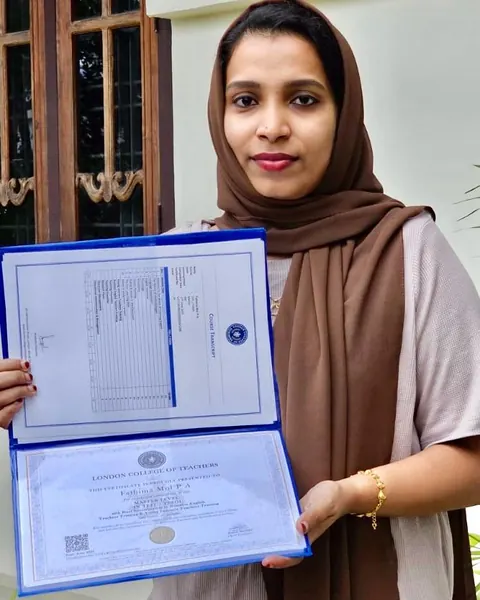
- You receive a certificate showing the qualification and number of hours.
- Ideally, you add some real teaching practice with English learners near you or online.
TEFL course levels explained
TEFL qualifications are usually described by study hours. A 120-hour certificate is the international entry standard. Diplomas of 150 to 250 hours add depth, such as advanced grammar, phonetics and a specialism. Postgraduate-level diplomas and master-level programmes of 350 to 480 hours add research and management and suit graduates aiming for senior roles.
At London College of Teachers the levels are: 120-hour TEFL Certificate, 150-hour TEFL Diploma, 250-hour Advanced Diploma, 350-hour PG Diploma and 480-hour Master in TEFL, plus specialist courses in Young Learners, Business English and Teaching Phonetics.
What you can do with a TEFL certificate
- Teach English in private language schools and academies abroad
- Teach English online to children or adults from home
- Teach business English to companies and professionals
- Coach IELTS, TOEFL or spoken English
- Teach English to young learners in kindergartens and primary programmes
- Improve your English teaching in your current school
- Move later into senior teacher, trainer, academic coordinator or school management roles
Who TEFL is for, and who it is not for
TEFL suits graduates who want to travel and work, school teachers who want communicative methods, tutors, parents, career changers and anyone who wants flexible online work. You do not need teaching experience to start.
TEFL is not the right route if your only goal is a permanent post in a government school, which usually needs a national teaching qualification and licence, such as a B.Ed with CTET in India or QTS in England. Many teachers hold both a national qualification and a TEFL.
How long does TEFL take and how much does it cost?
Online TEFL is self-paced. London College of Teachers designs the 120-hour certificate for up to four months of part-time study, so most people finish it alongside a job. Fees start at US$185, £160 or ₹14,750 including GST for the certificate, rising to US$645 for the 480-hour Master in TEFL. See the full fee table.
Your first step
Decide where you want to teach (online, in your own country or abroad), check that country's degree and visa rules in our requirements by country guide, then choose your level. If you are unsure, send a quick enquiry and an adviser will suggest the right course.
TEFL glossary: terms you will see
- EFL: English as a Foreign Language, learned where English is not the main language.
- ESL: English as a Second Language, learned by people living where English is spoken.
- ELT: English Language Teaching, the general name for the profession.
- CLT: Communicative Language Teaching, the method most TEFL courses teach.
- CEFR: the A1–C2 scale used to describe learners' levels.
- Practicum: live teaching practice with real learners.
- Young learners (YL): children and teenagers.
- BE / BETT: business English and business English teacher training.
Common myths about TEFL
- 'You must be a native speaker.' Many employers and online platforms hire fluent non-native teachers.
- 'TEFL is only for young travellers.' Teachers of every age take TEFL, including retirees and experienced school teachers.
- 'An online TEFL is worthless.' Online 120-hour certificates are accepted by most language schools and online platforms; quality depends on the provider.
- 'TEFL means you can teach in any state school.' State schools usually need a national teaching licence.
- 'Longer is always better.' Choose the level that fits your goal; 120 hours meets most entry requirements.
How to choose a TEFL provider
Look for a registered organisation with a published syllabus, transparent fees, tutor support, real assessment and a certificate employers can verify. London College of Teachers Limited is a UK company (Company No. 12339919) listed on the UK Register of Learning Providers with UKPRN 10096558, publishes all fees in USD, GBP and INR, and issues blockchain-verifiable certificates.
Frequently asked questions
Is TEFL hard?
No. TEFL courses start from the basics and are assessed through quizzes and assignments, not one big exam. The challenge is applying the methods well in a real classroom.
How much does TEFL cost?
At London College of Teachers the 120-hour TEFL Certificate is US$185, £160 or ₹14,750 including GST.
What does TEFL stand for?
TEFL stands for Teaching English as a Foreign Language.
Can I teach English without TEFL?
Some employers will hire without it, but most language schools, online platforms and visa processes ask for a 120-hour TEFL.
Is TEFL recognised worldwide?
A 120-hour TEFL from a credible provider is widely accepted by language schools and online platforms around the world. Recognition for school licences, visas or further study is decided by each country and employer.
How long is a TEFL course?
The standard is 120 hours. At London College of Teachers the 120-hour Certificate is designed for up to four months of part-time study; longer levels run from 150 to 480 hours.
Is TEFL hard to pass?
No, if you work steadily. Assessment is through module quizzes and assignments rather than one exam, and tutors support you.
Can I study TEFL online?
Yes. Most TEFL courses today are online and self-paced, including all London College of Teachers TEFL courses.